Digital Strategy for 2026
The Ultimate Guide to Building a Winning Strategy
In today’s rapidly shifting digital ecosystem, a powerful, adaptable marketing strategy isn’t optional — it’s essential. With generative AI transforming search, content, and soon advertising inside ChatGPT, the landscape continues to evolve. Brands that align their marketing strategy with these technological shifts will lead in visibility, engagement, and conversions.
1. Understand Your Target Audience Like Never Before
A winning strategy begins with deep audience insight. Go beyond basic demographics:
Identify intent signals — what problems are users trying to solve?
Track behavioural patterns across platforms (social, search, chat, AI-assisted discovery).
Build detailed customer personas that inform tone, message, and format.
Today’s audiences demand relevance. Tools like ChatGPT help synthesise research and deliver insights faster than ever, but you still need meaningful segmentation and real-world validation to drive impactful campaigns.
2. Set Clear & Measurable Goals — With AI in Mind
Your objectives should be SMART (Specific, Measurable, Achievable, Relevant, Time-bound), but updated for the AI-era:
Examples for 2026
Increase AI-influenced conversions (from conversational interfaces) by 30% in 6 months.
Grow intent-based leads from ChatGPT-enabled queries by 20% within Q2.
Decrease content creation time by 40% using AI-assisted workflows.
By tracking conversions from emerging formats (like ChatGPT-driven referral clicks or AI-augmented social engagement), you create a strategy that’s both forward-thinking and performance-oriented.
3. Choose the Right Marketing Channels — Including AI Ecosystems
Not all channels are created equal:
SEO & Content Marketing remain foundational.
Social media continues to drive brand affinity.
PPC still delivers immediate interest capture.
But 2026 introduces another frontier: AI-powered discovery and conversational channels — including ChatGPT advertising.
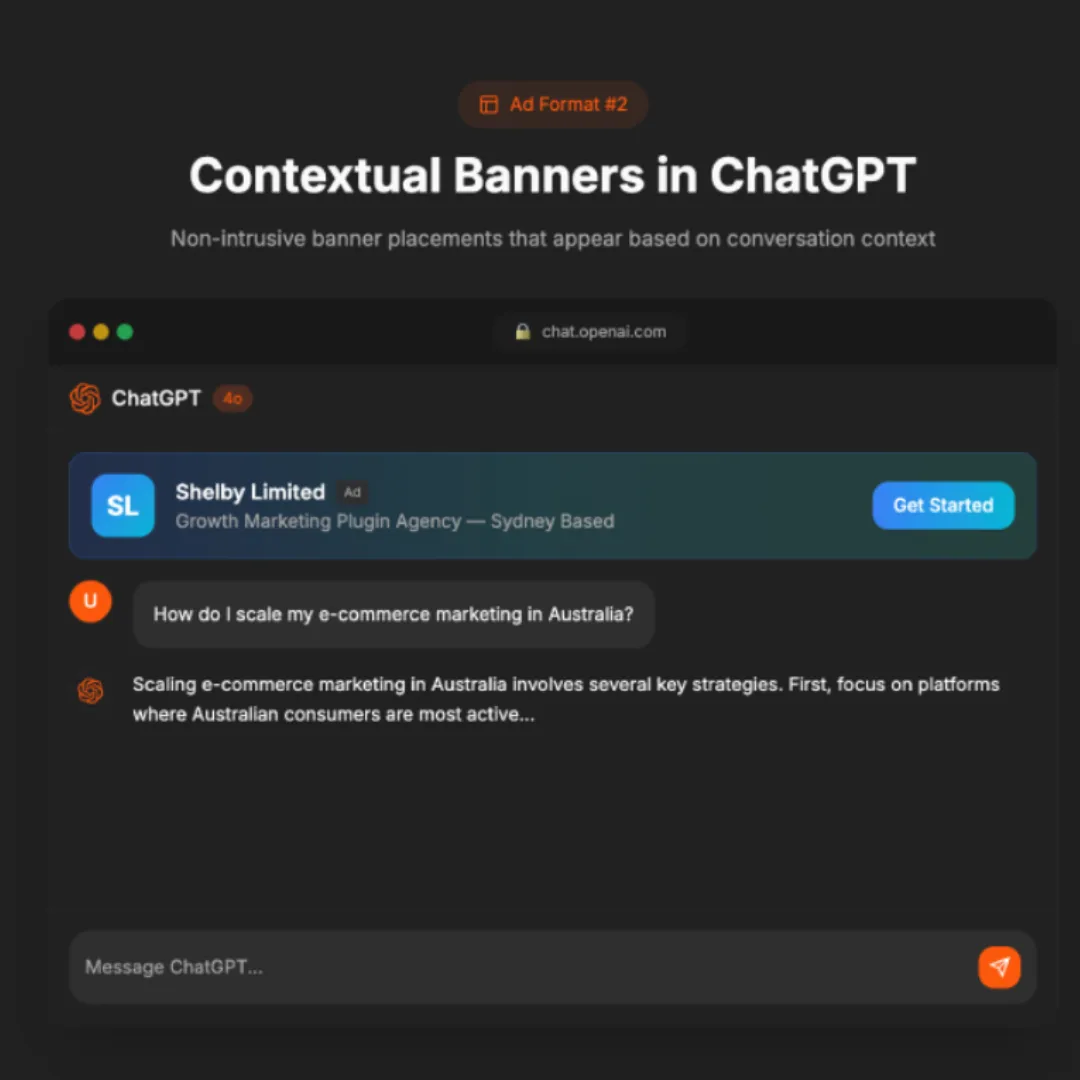
While OpenAI has not yet formally launched ads inside ChatGPT, industry signals indicate ads are likely rolling out in 2026, with early formats focusing on contextual recommendations and search-style placements. This represents a new digital channel that could rival early days of Google and Facebook advertising in terms of opportunity and disruption.
What this means for marketers now:
Start optimising for AI search intent (long-tail questions, conversational queries).
Clean and structure your product and service metadata — early preparation pays off when ads go live.
4. Create High-Quality Content — and Think Conversational First
Content remains king — but the way content is consumed is shifting.
AI-Optimised Content Strategies
Conversational SEO: Focus on questions, natural language, and intent-rich topics rather than isolated keywords.
AI-generated frameworks — use tools like ChatGPT to draft, ideate, and expand content, while applying human oversight for accuracy and brand voice.
Interactive AI-friendly formats — FAQs, voice-search compatible pages, and structured data that feeds AI retrieval systems.
High-quality content not only ranks better but feeds AI tools with the context they need to recommend your brand in answers, snippets, and future chat-based ad placements.
5. Leverage AI Tools Strategically
AI tools like ChatGPT are not just channels — they are amplifiers of productivity.
Metrics you can enhance with AI:
Audience research
Content ideation and drafts
Ad creative variations
Customer insights and segmentation
Use AI to streamline repetitive tasks, but retain strategic control and quality oversight. AI tools excel at volume and pattern recognition — but your brand strategy provides direction, insight, and creativity.
6. Measure, Report, and Adjust — With Advanced Analytics
Analytics remain critical — even more so as new channels (like ChatGPT advertising) emerge.
Things you need to measure in 2026:
Engagement and conversion metrics from traditional channels (SEO, PPC, email, social).
Performance from AI-influenced traffic — conversational queries, voice interfaces, and AI insights.
Early data from ChatGPT-connected interactions (e.g., how users discover and interact with your brand through AI-assisted search).
As these new pathways grow, tracking, attributing, and acting upon data will separate winners from laggards.
7. Embrace Future Trends — Ads in ChatGPT & Beyond
Conversational AI is poised to become a major advertising frontier in 2026.
Key trends to watch
AI Chat Advertising: Early formats may resemble contextual, recommendation-style placements rather than banners.
Structured data readiness: Brands with well-formatted product feeds will have advantages.
Conversational creative: Traditional ad copy is giving way to natural language answers that feel like assistance, not interruption.
Being prepared — even before the official roll-out — means you can experiment early, build audience signals, and refine offers ahead of the competition.
Conclusion: Your Roadmap for 2026 & Beyond
In an era shaped by generative AI, digital marketing strategies must evolve. Focus relentlessly on understanding your audience, setting measurable goals, choosing channels wisely, crafting high-value content, and preparing for future media formats — including AI-based advertising inside ChatGPT and other assistants.
With the right foundation and an eye on emerging trends, your brand won’t just keep up — it will lead.


